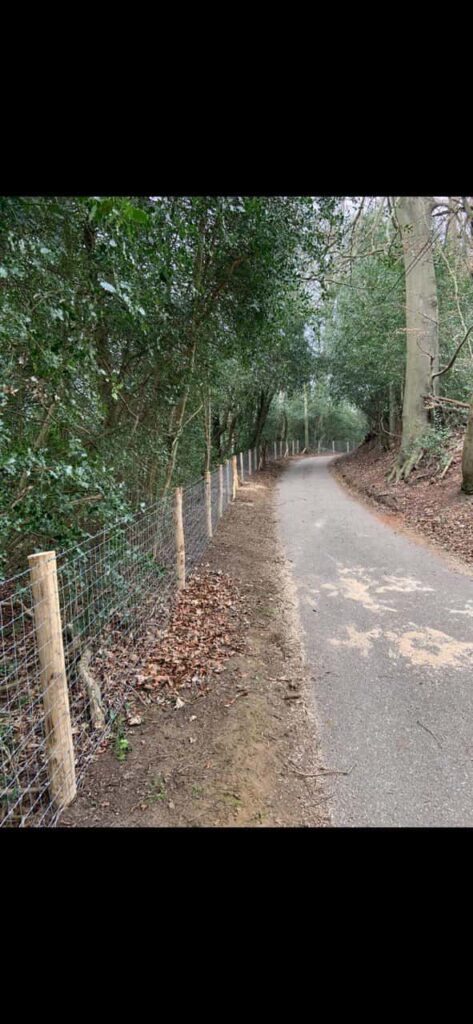
Living Near a Noisy Road? Could Acoustic Fencing Improve Your Garden?
A garden should provide somewhere to relax, spend time outdoors and enjoy a degree of separation from the surrounding environment. For properties close to a busy road, however, regular vehicle noise can make an otherwise attractive garden feel less peaceful than homeowners would like.
Acoustic fencing can help reduce the impact of unwanted road noise by creating a substantial physical barrier between the source of the sound and the garden. It cannot make an outdoor space completely silent, but when the fencing is correctly designed, positioned and professionally installed, it can help make traffic noise less intrusive.
For homeowners in Waterbeach, Cambridge, Fast Fix Fencing Waterbeach can assess the layout of the garden, existing boundaries and direction of unwanted noise to determine whether acoustic fencing could provide a practical improvement.
What Is Acoustic Fencing?
Acoustic fencing is designed specifically to help reduce the transmission of unwanted sound across a boundary.
It differs from many conventional garden fences because greater emphasis is placed on creating a solid, continuous and substantial barrier.
Effective Acoustic Fencing Typically Relies On:
- Solid construction
- Minimal gaps
- Suitable fence height
- Careful positioning
- Secure posts and foundations
- Continuous coverage
- Appropriate installation around gates and boundaries
These details matter because sound can pass through openings and travel over or around poorly positioned barriers.
How Can Acoustic Fencing Help With Road Noise?
Traffic noise reaches a garden through the surrounding environment. Where there is a relatively clear path between the road and outdoor space, the sound can be particularly noticeable.
Acoustic fencing places a physical obstruction within that path.
Interrupting the Direct Sound Route
One of the primary functions of an acoustic barrier is to block the direct line between the noise source and the area being protected.
When positioned effectively, the fence can reduce the amount of direct sound reaching parts of the garden.
This can help make passing vehicles less dominant within the outdoor environment.
Will Acoustic Fencing Completely Remove Traffic Noise?
No outdoor fencing system should be expected to create complete silence.
Sound does not only travel in a straight line. It can pass over barriers and arrive from different directions.
The realistic objective of acoustic fencing is therefore noise reduction rather than total sound elimination.
For many homeowners, making traffic noise less prominent can still significantly improve how comfortable the garden feels.
Why Is a Solid Fence Important?
Gaps can reduce the effectiveness of a noise barrier.
Many traditional fencing styles intentionally include openings between boards or panels. These can be perfectly suitable where privacy, appearance or simple boundary definition is the priority, but they are less appropriate when noise reduction is the main objective.
Acoustic Fencing Should Minimise Gaps:
- Between boards
- Between panels
- Around posts
- Beneath the fence
- At boundary changes
- Around gates
Creating a more continuous barrier helps reduce obvious routes through which sound can travel.
Fence Height Can Make a Difference
Height is another important consideration when dealing with road noise.
If a fence is too low to interrupt the direct path between the road and the garden, its acoustic benefit may be limited.
However, height alone does not guarantee good performance.
A taller fence with substantial gaps may be less effective than a carefully constructed barrier that combines appropriate height with density and continuity.
Professional planning should therefore consider all of these factors together.
Where Should Acoustic Fencing Be Positioned?
Positioning can have a considerable influence on the finished result.
The best arrangement depends on the individual garden and where the unwanted sound originates.
Factors Worth Assessing Include:
- The position of the road
- Existing garden boundaries
- Changes in ground level
- Main seating areas
- Patios
- Garden rooms
- Property entrances
- Existing walls and structures
Rather than treating acoustic fencing as an ordinary boundary replacement, it should be planned around the particular noise problem.
Can Acoustic Fencing Make a Patio More Enjoyable?
For many households, the patio or seating area is where road noise becomes most frustrating.
People naturally notice background sound more when sitting outside than when moving around the garden.
Positioning acoustic fencing with the main outdoor living area in mind can therefore be particularly valuable.
Reducing the prominence of passing traffic can help create a more comfortable environment for eating outdoors, relaxing or spending time with family.
What About Garden Rooms and Home Offices?
Garden rooms are another area where acoustic fencing can be useful.
A garden office or hobby room may be positioned closer to a boundary than the main house, potentially placing it nearer to road noise.
Strategically positioned acoustic fencing can help screen the surrounding area and create a greater sense of separation.
Its solid construction can also provide additional visual privacy around the garden room.
Acoustic Fencing Can Improve Privacy Too
Noise reduction may be the main objective, but solid fencing can provide another valuable benefit: privacy.
Properties exposed to passing traffic can sometimes feel visually open as well as noisy.
A substantial boundary can help create a stronger sense of enclosure.
This Can Make the Garden Feel:
- More private
- Better defined
- Less exposed
- More comfortable for seating
- More separated from surrounding activity
The combined effect can change how the garden feels even though the road itself remains nearby.
Why Ordinary Fencing May Have Limited Acoustic Benefits
Standard fencing can provide excellent boundary definition and privacy without necessarily being designed for noise reduction.
For example, some fencing systems contain small gaps or use relatively lightweight construction.
Where road noise is the specific concern, these details become more important.
Acoustic fencing places greater emphasis on mass, continuity and careful installation so that the boundary functions as a more effective sound barrier.
What Role Does the Garden Layout Play?
A well-planned solution considers how the garden is actually used.
There may be little benefit in focusing solely on one boundary if the main seating area remains exposed from another direction.
Similarly, changes in ground level can influence how effectively a fence interrupts the sound path.
Before Installation, Consider:
- Where is the traffic noise strongest?
- Which parts of the garden are used most frequently?
- Where are seating areas positioned?
- Is there a garden room to protect?
- Are there existing gaps in the boundary?
- Does the ground rise or fall significantly?
- Where is access required?
These practical details can influence the fencing layout.
Gates Need Particular Attention
A gate can create an interruption in an otherwise continuous acoustic barrier.
Access still needs to remain practical, but large openings around the gate can provide routes for sound.
Where a gate forms part of the acoustic boundary, its design and installation should therefore be considered alongside the fencing rather than as a separate afterthought.
Why Strong Installation Matters
Acoustic fencing tends to be substantial, so structural stability is particularly important.
Posts and supporting components need to keep the fence secure and correctly aligned while dealing with normal outdoor exposure.
Professional Installation Should Consider:
- Ground conditions
- Fence dimensions
- Post spacing
- Panel or board weight
- Exposure to wind
- Boundary shape
- Changes in ground level
- Long-term stability
Good installation supports both the acoustic purpose and the overall durability of the fence.
Can Plants Be Used With Acoustic Fencing?
Yes. Planting can be an effective way to integrate a substantial fence into an existing garden design.
Shrubs, borders and climbing plants can soften the visual appearance of the boundary and help it feel like a deliberate part of the landscaping.
However, planting should not be expected to provide the same physical sound barrier as solid acoustic fencing.
The fence performs the primary screening function, while landscaping can improve the character and appearance of the surrounding space.
Which Part of the Garden Should Be Prioritised?
It may not always be necessary to think about the garden as one large area.
If the main objective is to create a quieter space for sitting outside, attention can be focused on how noise reaches that particular zone.
Likewise, if a garden room is the priority, fencing can be planned with its position in mind.
A professional assessment can help identify where acoustic fencing is likely to provide the most useful improvement.
Signs Acoustic Fencing May Be Worth Considering
Acoustic fencing could be useful if:
- Passing vehicles dominate the garden environment
- Road noise makes outdoor seating less enjoyable
- The existing fence is lightweight or contains large gaps
- The garden feels exposed to nearby traffic
- A garden room is affected by external noise
- Greater privacy is also desirable
- The main outdoor living area faces towards the road
The suitability of acoustic fencing will depend on the individual property and garden layout.
Why Professional Planning Adds Value
Installing acoustic fencing involves more than choosing solid panels.
For the barrier to perform effectively, consideration should be given to its position, height, continuity, supporting structure and relationship with the source of the noise.
At Fast Fix Fencing Waterbeach, we can assess these factors before recommending an appropriate fencing arrangement.
The objective is to create a properly installed boundary that responds to the actual layout of the property rather than relying on a generic solution.
Acoustic Fencing in Waterbeach
For homeowners in Waterbeach, Cambridge who experience regular road noise, acoustic fencing can provide a practical way to make the garden feel more sheltered from surrounding activity.
A carefully planned fence can help reduce direct noise while also improving privacy and creating clearer separation between the garden and its surroundings.
At Fast Fix Fencing Waterbeach, we provide professional fencing installation with attention to the details that matter, from positioning and ground conditions to secure posts and consistent construction.
Conclusion
Living near a noisy road does not necessarily mean that traffic sound has to dominate your garden.
Acoustic fencing can help reduce the impact of road noise by creating a solid barrier between the source of the sound and the areas where you spend time outdoors. Appropriate height, minimal gaps, careful positioning and professional installation all contribute to how effectively the fence performs.
While acoustic fencing cannot eliminate every sound, reducing the prominence of passing traffic can help a garden feel calmer, more private and more enjoyable.
If road noise is affecting how you use your garden in Waterbeach, Cambridge, Fast Fix Fencing Waterbeach can assess the area and provide an acoustic fencing solution designed around your boundary, garden layout and practical requirements.
Call us on: 01223 912 296
Click here to find out more about Fast Fix Fencing Waterbeach
Click here to complete our contact form and see how we can help with your fencing needs.